

When to seek help.
Anxiety disorders are common mental health conditions characterized by excessive fear and worry. Understanding when everyday stress transitions into a condition requiring professional support is a vital step toward long-term well-being and recovery.
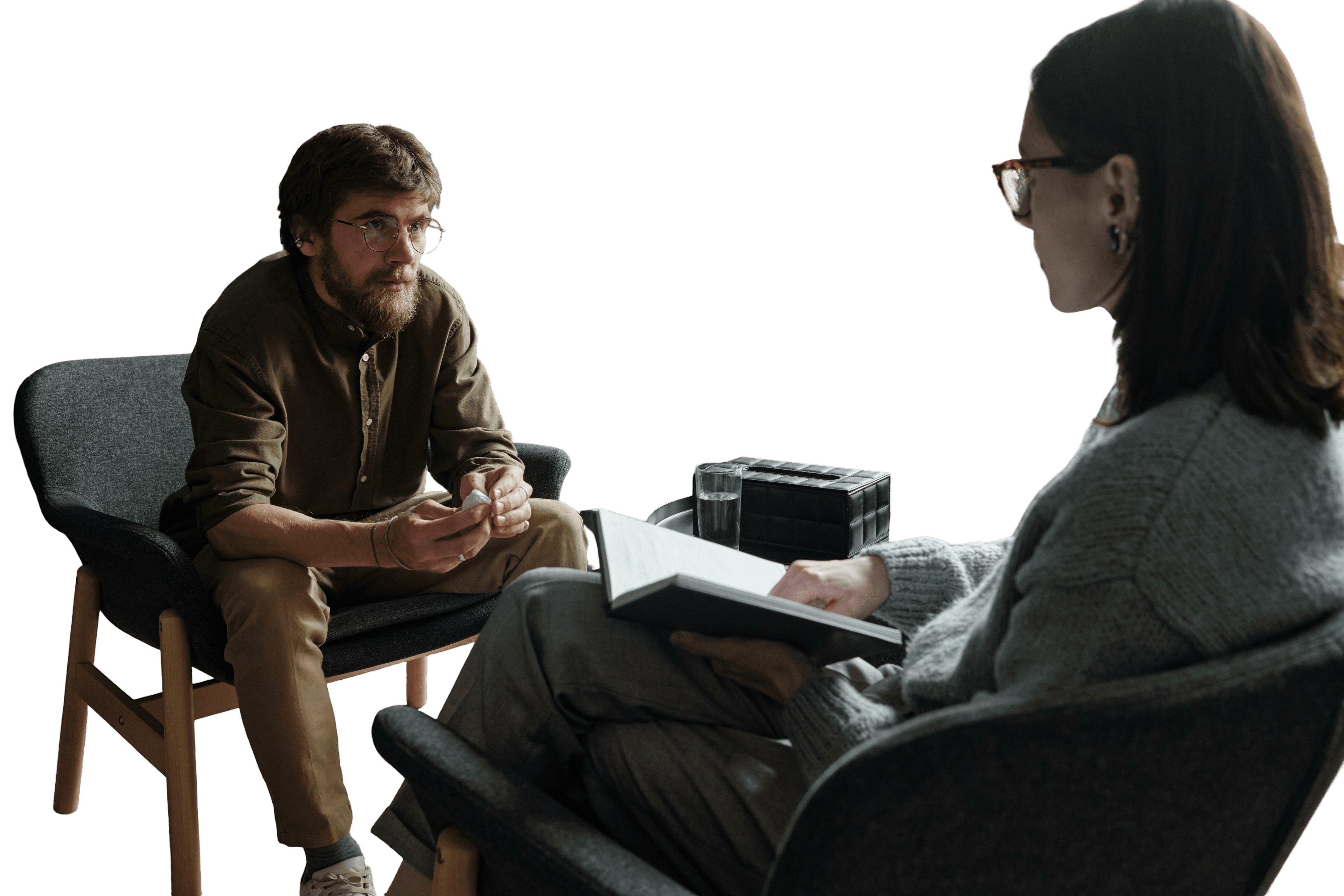
When does anxiety become an anxiety disorder?

Feeling anxious from time to time is a normal response to stress or challenging situations.
However, anxiety may become an anxiety disorder when the fear or worry is excessive or persistent, is difficult to control, causes significant distress, or starts significantly interfering with quality of life, sleep, concentration, decision-making, relationships, academic or occupational performance and sexual, physical well-being.
“Avoidance is common, and repeated avoidance gradually restricts a normal way of life.”
Common signs may
include:
Recognizing how anxiety manifests across mental, emotional, and physical dimensions helps determine when support is needed.
- 01Excessive or persistent worry or fear
- 02Feeling restless, tense, or constantly “on edge”
- 03Difficulty controlling worry
- 04Difficulty concentrating
- 05Irritability or feeling easily overwhelmed
- 06Muscle tension
- 07Fatigue or low energy
- 08Sleep difficulties
- 09Physical symptoms such as a racing heartbeat, sweating, trembling, or stomach discomfort
- 10Avoiding situations because of fear or anxiety
The symptoms and their pattern can vary depending on the type of anxiety disorder. For example, Generalized Anxiety Disorder (GAD) which is characterized by excessive anxiety and worry about a number of activities or events that are present more days than not for ≥ 6 months.
When should you seek professional help?
Anxiety disorders are real health conditions that can affect both mind and body. You do not need to wait for a crisis.
Consider it a concern, if anxiety has persisted for weeks or months, is worsening or difficult to control, repeatedly disrupts sleep, affects concentration or performance, interferes with relationships, causes avoidance of normal activities, produces recurring panic attacks, or substantially reduces quality of life.

Manage anxiety without worrying about side-effects.
Medical disclaimer: This information is for general patient education and does not replace individual assessment, diagnosis or treatment by a qualified Psychiatrist.
World Health Organization (WHO), Anxiety Disorders; National Institute of Mental Health and Neurosciences (NIMHANS), National Mental Health Survey (NMHS) of India 2015-16; The Lancet Psychiatry, American Psychiatric Association, Diagnostic and Statistical Manual of Mental Disorders, Fifth Edition (DSM-5); Indian Journal of Psychiatry; Indian Psychiatry Association, General Psychiatry, Dialogues in Clinical Neuroscience.